
 Juniper
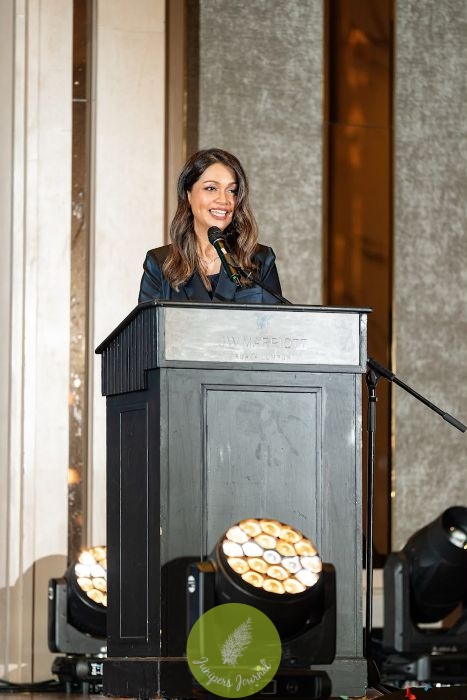
Early Autism Project Malaysia (EAP) Director Jochebed Isaacs delivers her speech at EAP’s 20th Anniversary Fundraising Gala in Kuala Lumpur on 5 November 2026
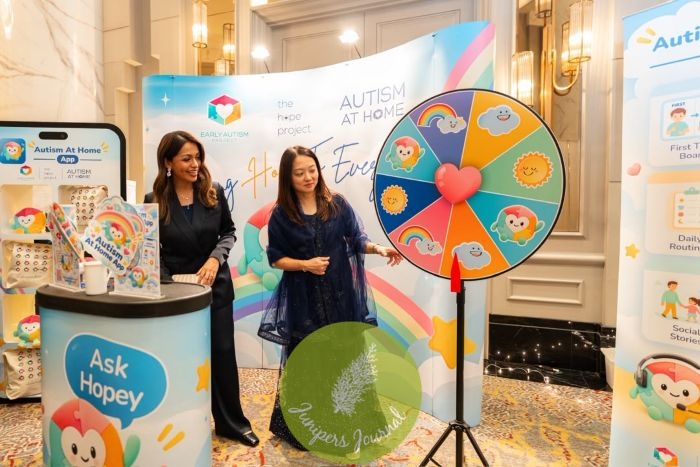
With approximately 10,000 children under the age of six registered with autism nationwide, and families facing long waits for therapy, Early Autism Project Malaysia (EAP) has launched a free app to help families support their children at home. The Autism at Home app was launched on 5 November by YB Hannah Yeoh, Minister in the Prime Minister’s Department (Federal Territories), at EAP’s 20th Anniversary Fundraising Gala. Available in English and Bahasa Malaysia, the app gives parents, caregivers and educators practical visuals, tools and resources for everyday use. It is free to download on the Apple App Store and Google Play Store.
YB Hannah Yeoh, Minister in the Prime Minister’s Department (Federal Territories), said: “As of October 2026, approximately 99,000 individuals with autism are registered nationwide and hold an OKU card, including approximately 10,000 children below the age of six. Over the years, greater awareness has helped more families recognise autism and come forward to register their children, but there is still a lot more to be done. We need this expertise in our schools, in rural areas and in kampungs across Malaysia, so that support and knowledge are not limited to families who can afford private services.” She added that the government is taking steps to expand support, including through a special allocation announced last year to establish an autism centre in every state.
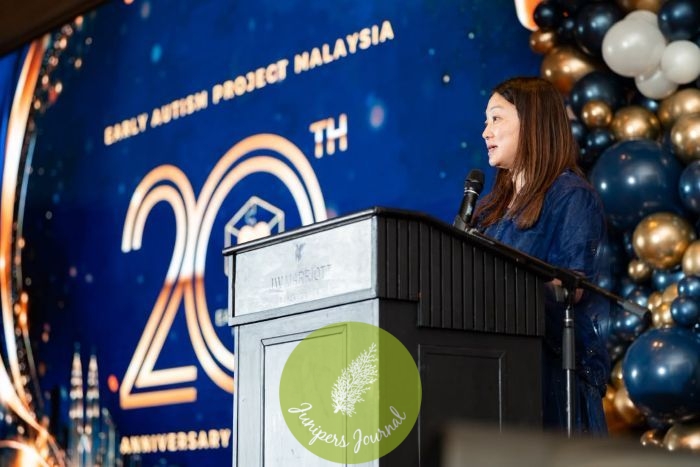
More recently, Budget 2027 announced plans for two Permata Kurnia centres in Pahang and Melaka to provide education, support and training for children with autism, as well as more than 130 new Tabika Tunas Istimewa classes in rural areas nationwide to improve access to early support for children with autism from low- income families. Malaysia’s autism care system remains under strain, with long waiting times for therapy and a shortage of trained professionals. The app offers families an additional avenue for guidance and resources, particularly when professional support may not be readily available.
The app builds on EAP’s existing Autism at Home digital platform, which has more than 4,000 subscribers and approximately 2,000 active users. It brings together features designed to support children’s communication, understanding and daily routines. These include tools to help children understand expectations, visual schedules, communication support for nonverbal learners, social stories and educational videos. A chatbot also helps users navigate relevant guidance and resources. EAP Director,

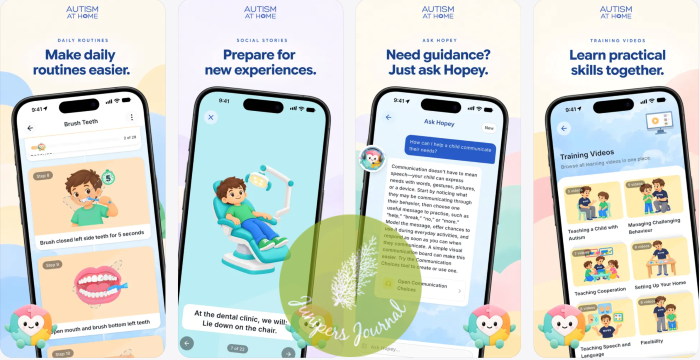
Jochebed Isaacs, said: “Through the Autism at Home app, we aim to reach 5,000 families within the next 12 months, with a longer-term goal of 20,000 app downloads over five years. We recognise that parents often face challenges in supporting their child’s speech and communication, managing behaviours and building independence. The app provides practical resources to help them navigate these challenges and feel more confident supporting their child’s development at home.” EAP has raised over RM200,000 to support the continued development and maintenance of the Autism at Home app.
Funds raised will go towards developing and enhancing its features and resources, covering ongoing technical maintenance and updates, and ensuring the app remains free to use without subscription fees. The Fundraising Gala also marked the 10th anniversary of EAP’s non-profit arm, The Hope Project (THP), which has reached more than 1,600 children through subsidised services, scholarships and support programmes. Its awareness campaigns have impacted more than one million people. Established in 2006, EAP is a pioneer in Applied Behaviour Analysis (ABA)-based intervention in Malaysia. Guided by its vision of bringing hope to every home, EAP provides therapy, diagnostic evaluations and developmental assessments, professional training and advocacy. Over the past 20 years, it has supported more than 1,500 individuals with autism and their families from over 40 countries.