

 Juniper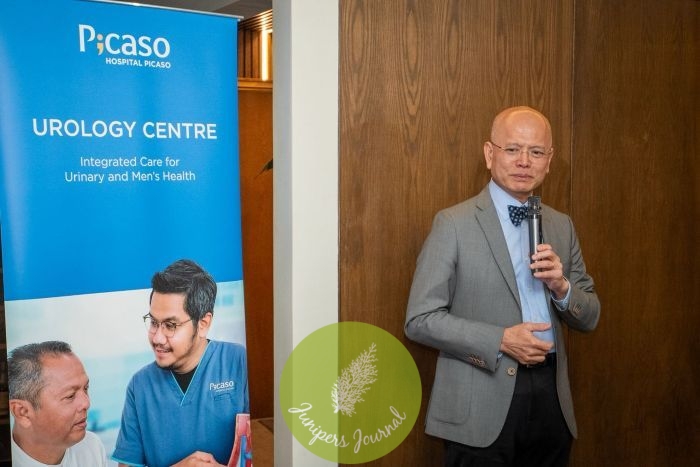
Dato’ Dr Loh Chit Sin, Consultant Urologist at Hospital Picaso, shares the hospital’s key milestones and vision as Malaysia’s one-stop prostate cancer centre during his opening address at the 1,000-case milestone celebration
Hospital Picaso and DTG Medical marked the regional recognition of Dato’ Dr Loh Chit Sin, Chairman of Clinical Practice and Consultant Urologist at Hospital Picaso, during an intimate dinner held on 9 July 2026 at AG (Alti Gusti), Petaling Jaya.
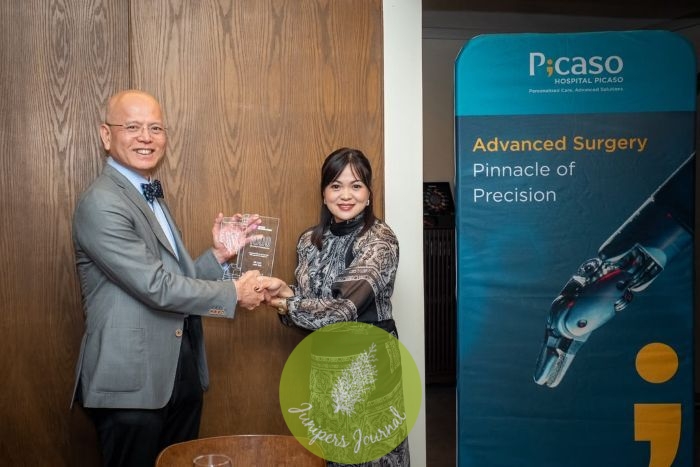
Dato’ Dr Loh received the 1,000th Robotic Surgical Case Milestone Award as the only Malaysian honouree recognised alongside three surgeons from Thailand. The recognition acknowledges his contribution and experience in robotic-assisted surgery, with Dato’ Dr Loh having completed more than 1400 robotic-assisted cases to date.
While the recognition marked a significant personal milestone, the evening also opened a broader discussion on what meaningful robotic surgery capability should look like for patients.
“Technology alone does not define the quality of care,” said Kathleen San Diego, Business Manager – Commercial, Robotic Surgery at DTG Medical. “Its value lies in how it is applied by capable clinicians, supported by a well-prepared team and strengthened through continuous training, shared learning and clinical experience.
“Dato’ Dr Loh’s milestone reflects years of surgical commitment and refinement. It also reinforces the importance of building a wider ecosystem around advanced surgery, where surgeons, operating teams and supporting specialists continue to learn and work together in the interest of patient care.”
Dato’ Dr Loh said robotic technology should always be viewed as a tool, rather than a replacement for surgical expertise.
“Robotic technology is a tool. It does not automatically make a surgeon better,” he said. “It can support precision in suitable cases, but the outcome still depends heavily on clinical judgement, case selection, preparation and the experience of the team caring for the patient.
“If a surgery becomes prolonged or involves significant blood loss, the potential advantages of a minimally invasive approach can be reduced. Hence, technology must always be matched with sound decision-making and a team that is prepared for the complexity of each case.”
The discussion also highlighted Hospital Picaso’s development as a one-stop centre for prostate care, bringing together three urologists trained in robotic-assisted surgery alongside access to diagnostic, surgical and relevant specialist support.
The hospital’s approach is centred on providing patients with a more coordinated pathway, from assessment and diagnosis through treatment planning, surgery, recovery and follow-up care. The session highlighted that robotic-assisted surgery may be suitable for some patients, but not all, as treatment decisions must be based on each patient’s condition, disease characteristics and clinical needs.
Dato’ Dr Loh emphasised that Hospital Picaso’s robotic capability is not built around one individual alone. Complex cases can require close coordination across specialties, particularly when surgery involves neighbouring organs or other clinical considerations.
“Robotic surgery is increasingly a team effort,” he said. “There are cases where cross-specialty support is important, and that means surgeons across different departments must be ready to work together. The aim is always to plan carefully, preserve the most appropriate options for the patient and avoid changing to a more invasive approach where possible.”
He added that reaching a professional milestone does not mean the learning stops.
“Together with the other robotic surgeons at Hospital Picaso, we continue to refine our techniques, learn from every case and improve how we work as a team. The focus is not simply on completing a procedure, but on helping patients recover well and maintain their quality of life after surgery.”
The dinner brought together representatives from Hospital Picaso and DTG Medical for a discussion on the evolving role of robotic surgery in Malaysia, the future of prostate care and why the people behind the technology remain central to patient outcomes.